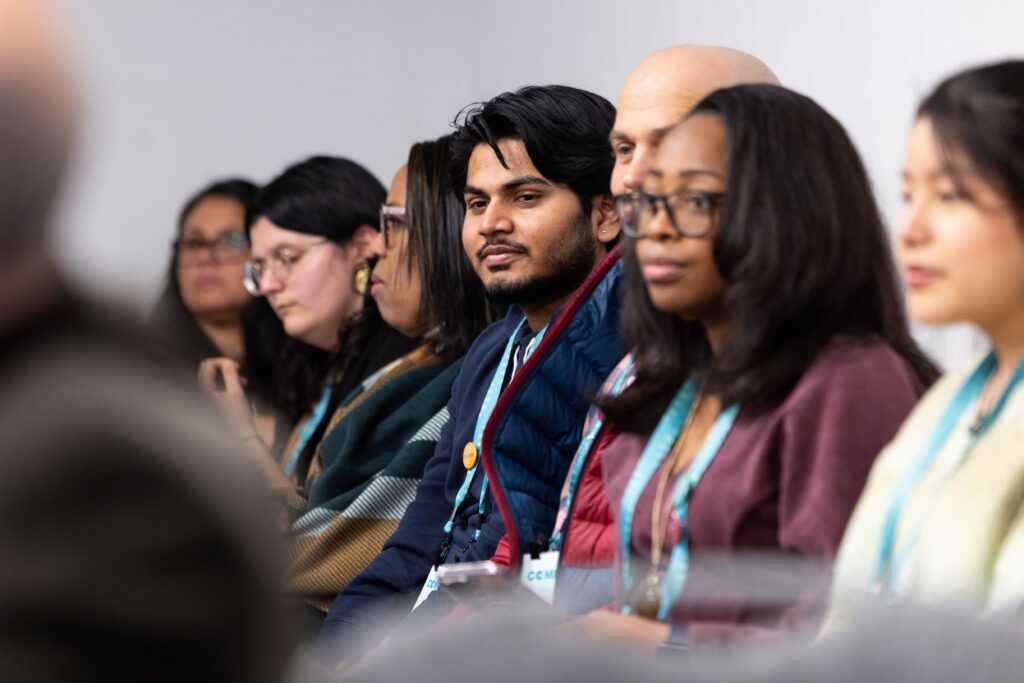


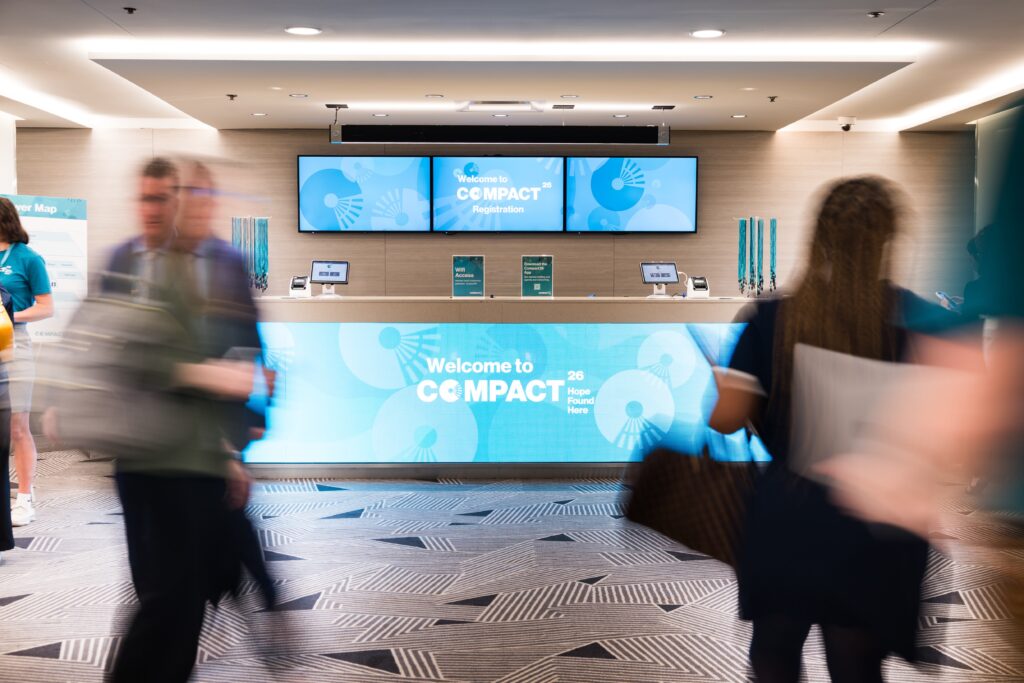
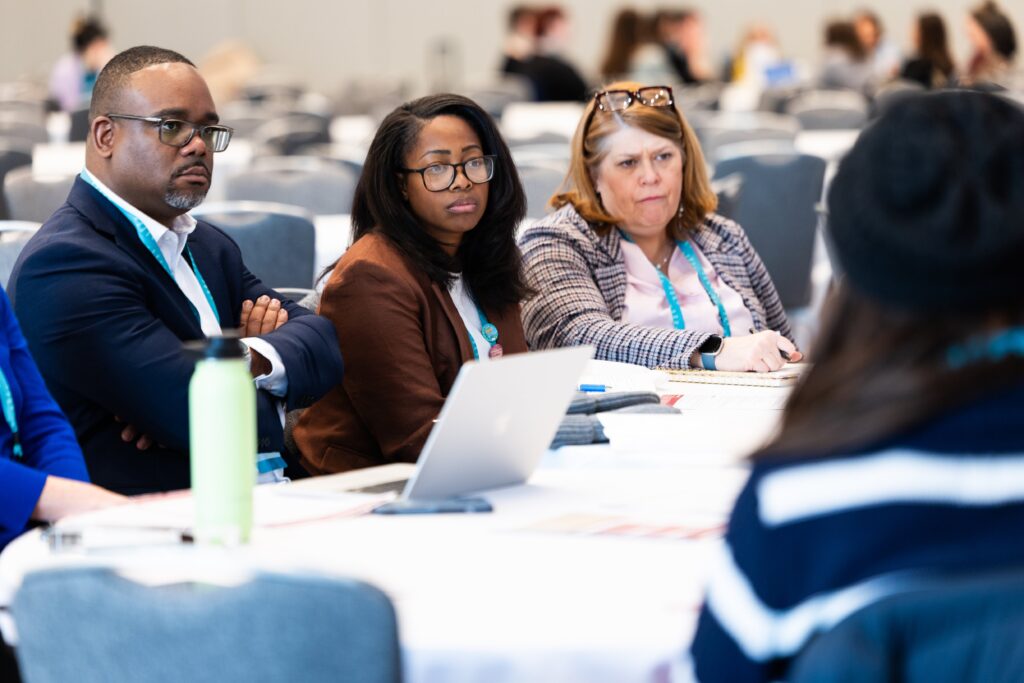
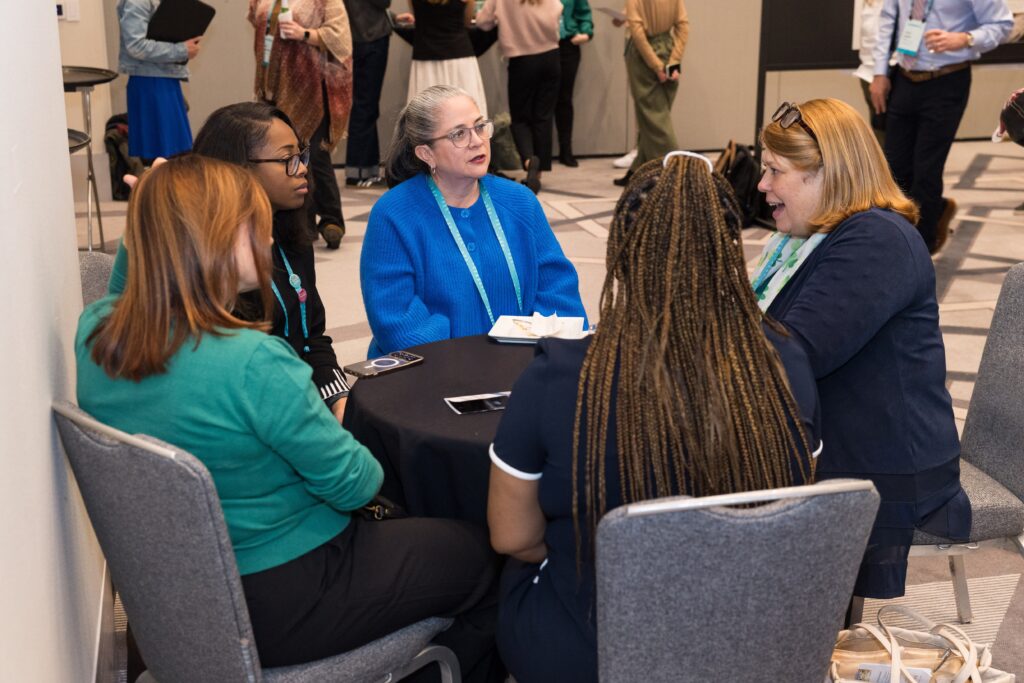
In March, our beloved Briana Bellinger-Dawson, the Coordinator of Student and Community Engagement at the Jewett Center for Community Partnerships, participated in Compact26, the largest national conference dedicated to higher education’s role in strengthening communities and advancing an equitable democracy, which brought together civic engagement professionals, faculty, students, and community partners from across the country. Through sessions on civic learning, community-engaged scholarship, democratic engagement, and institutional leadership, the conference offered valuable opportunities for collaboration, professional development, and reflection.
Please see Briana’s reflection on this unique opportunity below for key insights and takeaways from her experience.
Falling into Civic Love: Reflections from Compact26 and What’s Next for Our Work
Briana Bellinger-Dawson, Coordinator of Student and Community Engagement | Jewett Center for Community Partnerships
Attending the Campus Compact Compact26 conference felt like both a grounding moment and a push forward. It reminded me why we do this work, and also challenged me to think more deeply about how we prepare our students to step into the world as real changemakers. Not just participants. Not just volunteers. But people who understand their role, their responsibility, and their power in community.
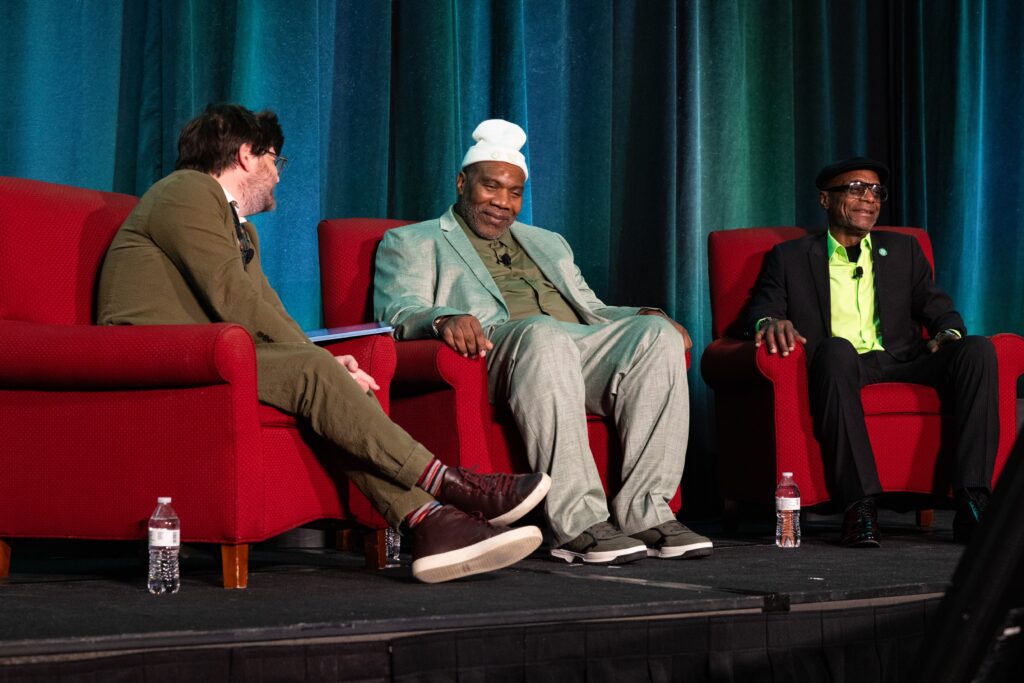
One of the sessions that stayed with me most was the opening plenary on Civic Love, grounded in the National Public Housing Museum’s work. Listening to Renaldo Hudson, Director of Education for the Illinois Prison Project, and Stanley Howard, co-author of Tortured By Blue, speak about hope, survival, and transformation really reframed things for me. There was a line shared that I haven’t been able to shake: “hope is a human right, it can’t be taken, only surrendered.”(R. Hudson, personal communication, March 2026) That hit. It made me think about how often our students are stepping into community spaces that are complex, layered, and sometimes overwhelming. And in those moments, what are we actually equipping them with? Skills, yes, but also perspective, humility, and the ability to stay grounded in the work.
That idea of being grounded showed up in a really real way, this reminder that when we’re working in community, we have to know where we come from, recognize where we stand, and move with intention because of it. That’s the kind of learning that doesn’t come from a one-time training. It comes from reflection, from relationships, and from being in it consistently.
Across sessions, I kept thinking about how we build experiences that actually prepare students for this kind of work. Not just placing them in roles, but developing them. Programs that invest in student leaders, build in structured reflection, and create accountability to community-defined goals felt especially aligned with what we’re trying to do. The models shared around student engagements weren’t just about scale; they were about depth. About making sure students understand the “why” behind the work, not just the “what.”
There was also a strong emphasis on thinking differently about partnership. Moving away from transactional engagement and leaning into long-term, asset-based approaches. That means seeing our community partners as co-educators, co-creators, and co-visionaries. It also means asking harder questions, like what does it look like for our partners to feel a return on their investment in working with our students? And how do we build systems that support that over time?
What I appreciated most about this conference is that it didn’t feel disconnected from our work; it felt like an affirmation of it. At the Jewett Center, we already believe in student leadership, in reflection, in partnership. What this experience pushed me to think about is how we go deeper. How can we better name the skills our students are building? How do we more intentionally center community voice? And how do we create structures that sustain this work over the long term?
At the end of the day, my biggest takeaway is this: our role isn’t just to create opportunities, it’s to prepare students to move through the world differently because of them. To be thoughtful. To be accountable. To stay hopeful. And to understand that being a changemaker isn’t about having all the answers, it’s about showing up, staying in it, and being willing to do the work alongside others.
That’s the kind of future I’m excited for us to keep building toward together.